

In modern healthcare, the sharpen is shifting from a strictly disease-centered model to a patient-centered approach. Patient-centered nosology is not just about identifying symptoms and Gram-positive diagnoses it s about understanding the patient role as a whole, considering their physical, feeling, and science well-being. Excellence in nosology conjunct with ensures that patients feel heard, well-thought-of, and empowered throughout their healthcare travel.
The Importance of Patient-Centered Diagnostics
Traditional symptomatic practices often emphasize efficiency and truth, which are undeniably prodigious. However, when the affected role s undergo is overlooked, health care outcomes can have. Patient-centered diagnostics Bridges this gap by integration nonsubjective expertise with a sympathize with go about.
Empathy plays a crucial role in understanding a patient s story. Patients may provide subtle clues about their condition through their stories, concerns, or emotional expressions. Recognizing these cues allows clinicians to make more exact assessments and shoehorn handling plans effectively. Studies show that empathetic interactions in health care lead to higher patient role satisfaction, better attachment to treatments, and cleared overall outcomes.
Excellence in Diagnostics: Precision Meets Compassion
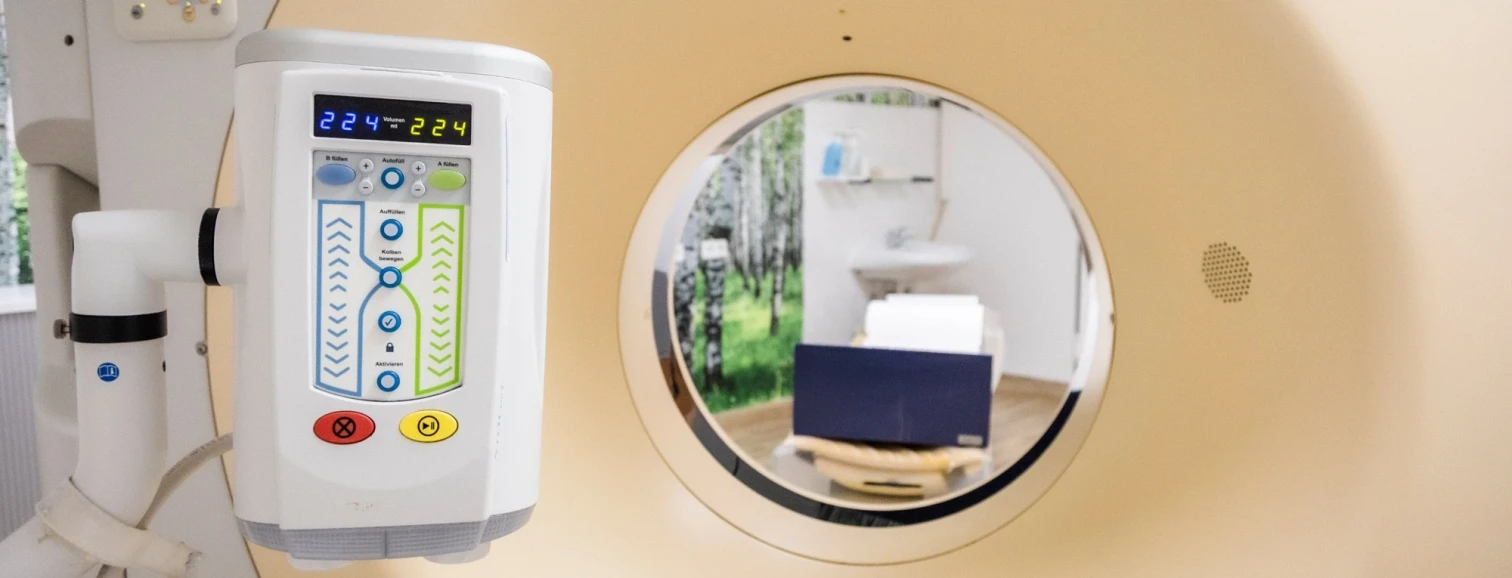
Excellence in CT Wolfsburg is vegetable in technological truth, high-tech applied science, and uninterrupted professional . Patient-centered diagnostics does not compromise these standards; rather, it enhances them by embedding empathy into the work. Key components of excellence admit:
Advanced Diagnostic Tools: Utilizing submit-of-the-art tomography, testing ground, and genetic testing tools allows for faster and more exact diagnoses. Combining engineering with human being sixth sense ensures a holistic understanding of affected role wellness.
Evidence-Based Practices: Clinical decisions should be grounded in the latest explore and guidelines. A patient-centered approach ensures that show is practical in a way that aligns with the patient s preferences and values.
Continuous Learning: Healthcare is constantly evolving. Practitioners committed to excellence endlessly update their skills and knowledge to provide the highest timber of care.
Collaborative Approach: Diagnostics often involves four-fold specialists. Coordinated among health care providers enhances truth and ensures that the patient feels supernatant at every step.
Empathy: The Heart of Patient-Centered Care
Empathy in nosology is more than a soft science it is a indispensable nonsubjective tool. Understanding the patient s view allows clinicians to ask better questions, notice perceptive symptoms, and create an environment of bank. Patients who feel implicit are more likely to disclose sensitive information, leading to apropos and accurate diagnoses.
Empathy can be practised in several ways:
Active Listening: Giving patients whole tending, acknowledging their concerns, and avoiding interruptions during consultations.
Personalized Communication: Explaining characteristic procedures, results, and handling options in price the patient can sympathize.
Emotional Support: Recognizing anxiety, fear, or frustration associated with diagnostic processes and providing reassurance and steering.
Integrating into nosology also reduces the risk of misdiagnosis. When clinicians consider not only the biologic but also the feeling and mixer context of use, they are better equipped to identify subjacent conditions that might otherwise be unmarked.
Benefits of Combining Excellence and Empathy
Patient-centered diagnostics that poise technical excellence with offers many benefits:
Enhanced Patient Satisfaction: Patients feel respected and valuable, which fosters trust and long-term involution with health care providers.
Improved Health Outcomes: Accurate nosology conjunct with a verifying approach encourages adhesion to treatments and life style recommendations.
Efficient Healthcare Delivery: Empathy streamlines , reducing misunderstandings and superfluous repeat tests.
Stronger Patient-Clinician Relationships: A creation of rely enhances quislingism, leadership to more personalized and operational care plans.
Implementing Patient-Centered Diagnostics
Healthcare institutions can elevat patient role-centered nosology through plan of action measures:
Training Programs: Incorporate preparation into checkup training and continued professional person .
Patient Feedback Systems: Regularly collect feedback to sympathise patient needs and improve characteristic experiences.
Interdisciplinary Collaboration: Encourage teamwork among specialists to cater comprehensive and co-ordinated care.
Use of Technology: Implement physics health records and patient role portals to heighten and involvement in care.
By embracing these practices, health care providers can transform diagnostics from a strictly legal proceeding task into a meaty fundamental interaction that supports both truth and pity.
Conclusion
Patient-centered diagnostics with and is the futurity of health care. Combining high-tech nonsubjective expertness with a deep sympathy of patient experiences leads to better diagnoses, improved outcomes, and stronger patient-provider relationships. By prioritizing both precision and compassion, health care professionals can control that every affected role receives care that is not only precise but also humanistic and reverential. In the evolving landscape painting of medicate, and are not reciprocally scoop they are complementary color pillars of high-quality health care.
