

Drilling rigs are complex machines designed for penetrating tough ground conditions and rigid rock formations through various drilling techniques. These critical assets face numerous operational challenges and component failures that can lead to costly downtime and safety hazards. Understanding the primary failure modes and implementing effective monitoring solutions is essential for maintaining operational efficiency and preventing catastrophic failures. This article examines the common failure mechanisms in drilling rig components and explores modern technological solutions for continuous monitoring and predictive maintenance.
Common Drilling Techniques and Their Challenges
Modern drilling operations employ three primary techniques, each with specific operational characteristics and associated challenges. Percussive drilling relies on striking and rotating actions combined with cleaning fluid injection, typically powered by compressed air or fuel. Rotopercussive drilling operates at high frequencies, combining percussion, rotation, forward pressure, and cleaning fluid in a sequenced process. Rotary drilling utilizes wedge-shaped directional blades coupled with rotating drill rods to penetrate formations.
These techniques subject drilling rig components to extreme mechanical stresses, vibration, and environmental conditions. The repetitive impact forces in percussive methods, combined with rotational stresses in rotary systems, create multiple potential failure points throughout the equipment. Understanding these operational contexts is crucial for developing effective monitoring strategies that address the unique challenges of each drilling method.
Critical Failure Modes in Drilling Rig Components
Combustion engines in drilling rigs transform thermal energy into mechanical energy but are prone to several failure modes. Oil filter issues, whether from clogging or breakage, allow impurities to damage engine components. Fuel filter leaks or blockages significantly increase fuel consumption while reducing engine performance. Air filter problems, including blocked hoses or poor attachments, reduce engine efficiency and can lead to complete failure if left unaddressed.
Battery systems provide essential power for electronic components but commonly fail through discharging mechanisms that prevent engine starting. Cooling systems regulate engine temperature but become ineffective with low coolant levels, damaged hoses, or water pump failures. Service and rear brake systems, critical for speed control and safety, fail due to pin misalignment, brake chamber issues, or safety valve damage, potentially creating hazardous operating conditions.
| Component | Primary Failure Modes | Potential Consequences |
|---|---|---|
| Combustion Engine | Filter clogging, fuel leaks, air flow restrictions | Reduced efficiency, complete engine failure |
| Battery System | Discharging, connection failures | Inability to start, electronic system failures |
| Cooling System | Low coolant, hose damage, pump failure | Engine overheating, component warping |
| Brake System | Pin misalignment, chamber issues, valve damage | Reduced braking efficiency, safety hazards |
Monitoring Challenges in Drilling Operations
Continuous monitoring of drilling rig health indicators presents unique difficulties. The protected, enclosed structure of rigs creates accessibility issues for manual data collection, particularly at height. Traditional inspection methods expose personnel to risks from moving components, heavy loads, and operational hazards. Furthermore, certain measurements like vibration analysis require the equipment to be running, creating additional safety concerns.
Standardizing data collection presents another significant challenge. Without consistent measurement conditions, data becomes incomparable over time, making trend analysis and fault progression monitoring unreliable. This variability complicates maintenance planning and makes it difficult to establish meaningful baseline measurements for equipment health assessment.
Advanced Solutions for Drilling Rig Monitoring
Modern remote sensing technologies overcome many traditional monitoring limitations. Robust vibration and temperature sensors with IP66/68/69 and EX certifications provide continuous monitoring without requiring personnel proximity. These systems eliminate exposure risks while collecting data from previously inaccessible points. Wireless gateways enable remote data access, transforming how drilling rig health information is gathered and analyzed.
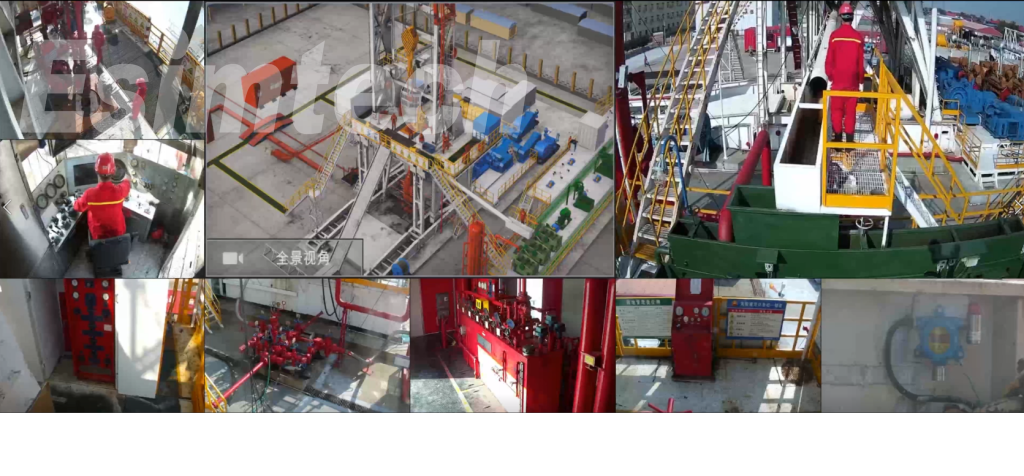
Specialized systems like DynaTrigger address standardization challenges by synchronizing data collection with equipment operation. This triggering mechanism ensures measurements occur under consistent conditions, enabling valid comparisons and accurate trend monitoring. Such solutions are particularly valuable for Drilling Rig Simulators used in training and operational planning, where accurate data feeds are essential for creating realistic simulation environments.
Implementation Benefits and Case Studies
The Vale mining operation demonstrated the substantial benefits of advanced monitoring systems. By implementing continuous monitoring across 15 autonomous drilling rigs, Vale avoided nearly USD 12.4 million in potential losses while reducing worker risk exposure by over 2,700 minutes. The system provided early warning of developing faults, enabling planned interventions before catastrophic failures occurred.
Modern monitoring solutions generate comprehensive data sets that feed into predictive maintenance algorithms. This transition from reactive to proactive maintenance strategies significantly reduces unplanned downtime while optimizing component replacement schedules. The integration of monitoring data with Drilling Rig Simulators further enhances operational planning and personnel training capabilities, creating a complete ecosystem for drilling performance optimization.
Future Directions in Drilling Rig Monitoring
The convergence of sensor technology, wireless communication, and advanced analytics continues to transform drilling rig monitoring capabilities. Emerging solutions incorporate machine learning algorithms that detect subtle patterns in vibration and temperature data, identifying developing faults earlier than traditional threshold-based systems. These intelligent systems learn normal operating signatures for individual rigs, improving detection accuracy while reducing false alarms.
Integration with digital twin technologies creates new possibilities for virtual testing and scenario planning. By combining real-time monitoring data with Drilling Rig Simulators, operators can predict how equipment will respond to various operational conditions and planned maintenance actions. This powerful combination of physical and virtual systems represents the next frontier in drilling rig reliability and performance optimization.
